Breast cancer and intestinal microbiota: an underestimated link?
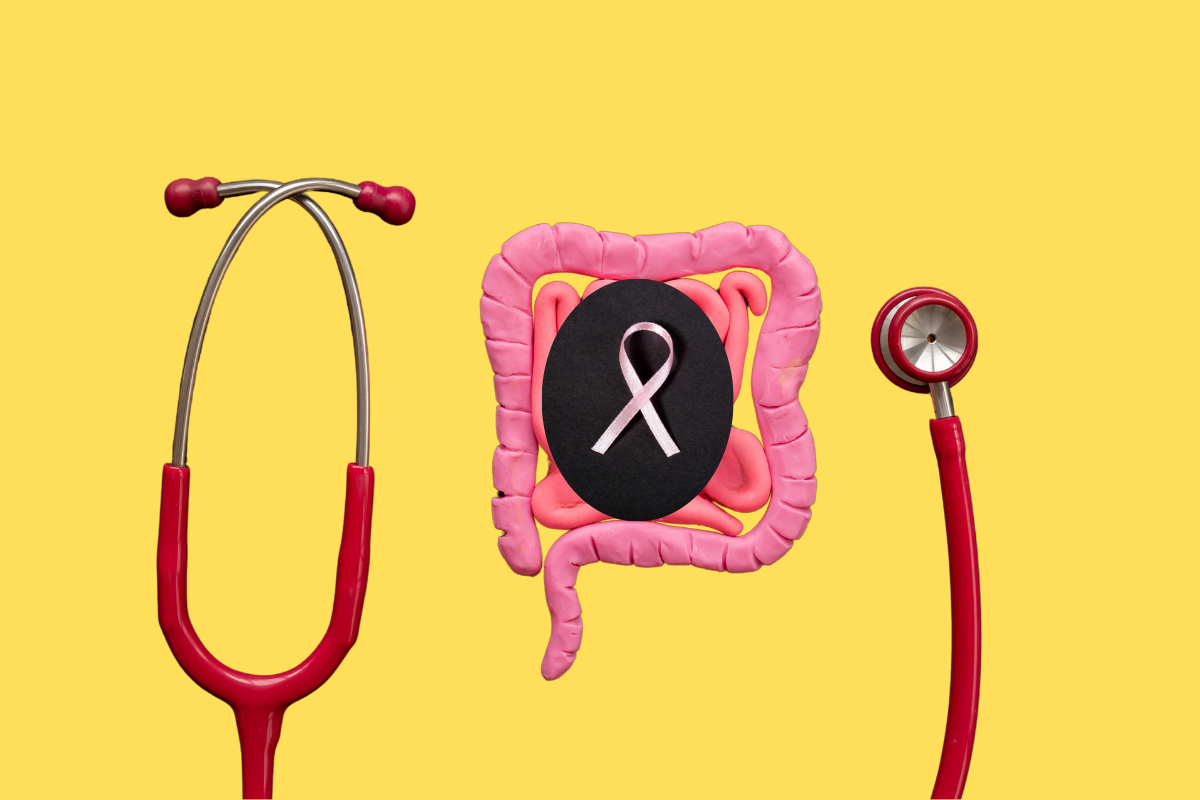
Illustration of an intestine made of modelling clay with a pink ribbon symbolising breast cancer, surrounded by a red stethoscope on a yellow background.

The intestinal microbiota, the fascinating ecosystem that populates our digestive tract, plays a crucial role in our overall health. Recent scientific studies suggest that it could be a key player in the prevention and development of breast cancer. In particular, intestinal dysbiosis – an imbalance in the microbiota – is thought to promote chronic inflammation, … Read more

Benign prostatic hyperplasia

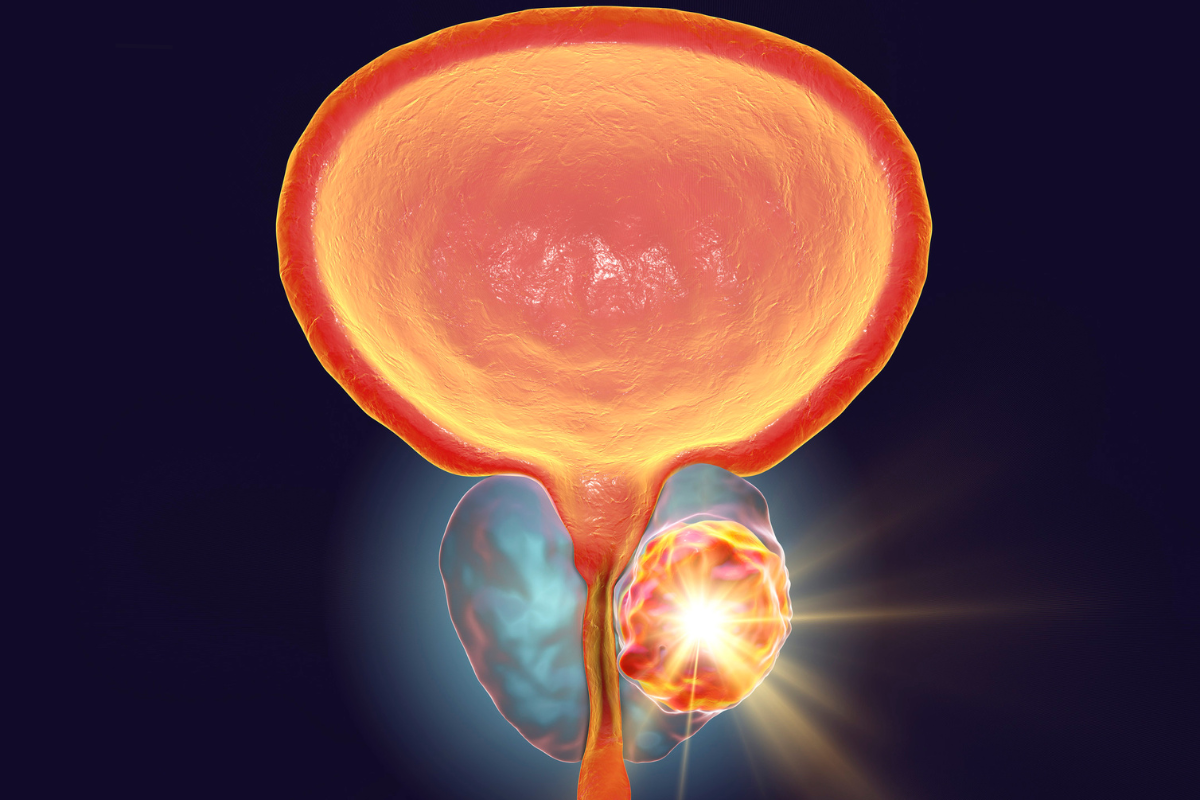
Medical illustration showing an enlarged prostate with urinary obstruction, highlighting benign prostatic hyperplasia and its effects on the bladder.

Benign prostatic hyperplasia is an abnormal development of the prostate gland. Symptoms include obstruction of bladder evacuation (weak urine stream). The symptoms then gradually progress to incontinence. We will explain the principle of hypertrophy before looking at the symptoms and possible complications. What is benign prostatic hyperplasia? In some men, as they get older, the … Read more

Cranberry: polyphenols against cancer?

Fresh cranberries arranged in a heart shape on a wooden surface, illustrating the health benefits and anti-cancer potential of this superfood.

The cranberry is a small red fruit with many health benefits. Used for centuries by Amerindians to prevent infections, it is now recognised for its antioxidant and anti-inflammatory properties. But did you know that cranberries could also play a role in preventing and treating cancer? Thanks to its richness in polyphenols, particularly flavonoids and proanthocyanidins, … Read more

Health alert: Can eating soya really protect you from breast cancer?

Breast cancer is one of the most common and deadliest cancers among women worldwide. Recent research has focused on the natural compounds present in our diet, particularly those contained in soya, for their potential in preventing and treating cancer. Soya contains a particular compound, genistein, a polyphenol in the isoflavone family, whose effect on breast … Read more

Hormone replacement therapy and cancer: What we know in 2024

Hormone replacement therapy (HRT) is often the subject of debate, particularly with regard to its link with cancer. In 2024, research continues to shed light on the risks and benefits of HRT. This article aims to answer the most frequently asked questions on the subject, based on the latest scientific data. What is hormone replacement … Read more

EZRA, DEXA, Prenuvo … health Promotion 2.0

Preventive medicine plays an essential role in health management by facilitating the early detection of disease and offering personalised strategies for its prevention . Cutting-edge technologies such as EZRA, Prenuvo, and DEXA are revolutionising this field by providing advanced tools for accurate, non-invasive assessment of health conditions .EZRA exploits whole-body MRI to identify abnormalities before … Read more

Epigenetics and cancer: What the science says

Epigenetics, the study of heritable changes in gene expression without altering the DNA sequence sequence, has become a key field in understanding of cancer. From DNA methylation to histone modification and non-coding RNAs, these epigenetic changes influence tumour development and progression and offer new avenues for diagnosis and treatment. This article explores these mechanisms and … Read more

Breast cancer: How can you feel comfortable in your own body?

The image shows a stethoscope and the pink ribbon. Breast cancer How to feel comfortable in your own body

Breast cancer is the most common cancer in women. In France, the incidence remains particularly high, with 105.4 cases per 100,000 people according to the WHO in 2022. However, the mortality rate remains relatively low (15.8 deaths per 100,000 population), thanks to medical advances, early detection and easier access to care. Nevertheless, the disease and … Read more

What is the best treatment for the prostate?

prostate cancer

The prostate is a gland that sometimes causes problems for men of a certain age. In fact, when it becomes diseased, it can be a source of various inconveniences. Among the problems it causes are urinary and erectile problems. It’s true that this situation is frightening, but it needn’t be taken for granted. Rest assured, … Read more

The Movember Campaign to Fight Prostate Cancer

Prostate cancer is the second leading cause of cancer death in men; 25% of men with prostate cancer die from it each year. Additionally, many patients require treatment to alleviate symptoms such as pain, bleeding, and urinary obstruction . Thus, prostate cancer is also a major cause of suffering and health costs. The high death rate from prostate cancer may be … Read more

Skin cancer: everything you need to know

Protecting your skin from UV rays is essential to prevent skin ageing and reduce the risk of cancer, particularly melanoma, the most serious type that can metastasise rapidly. Early diagnosis using the ABCDE rule and appropriate treatments such as surgery, immunotherapy or photodynamic therapy increase the chances of recovery. In addition, the use of broad-spectrum … Read more

How to recognize an endocrine disruptor in a formula?

Today, endocrine disruptors are increasingly present in our daily lives. Food, pesticides, cosmetics… They come into contact with us through various consumer products. And very often, we don’t even suspect that they may contain them. And yes! Whether in small or large quantities, they are present in many everyday products. Today, endocrine disruptors are increasingly … Read more

National skin cancer screening week

The skin, the largest organ in the human body, has many functions. As well as being the sensory organ par excellence, the best thermal regulator and the synthesiser of vitamin D, its main role is to protect the body from the outside world. Every day, the skin is exposed to a wide range of aggressions … Read more

Support for Cancers through Phytotherapy

Can herbal medicine help prevent cancer? Although there is a genetic predisposition to certain cancers , gene expression can be modulated through epigenetics; recent discipline, which explains how the environment and individual history modify gene expression. These phenomena are transmissible from one generation to another, but can be reversible, in particular under the influence of nutritional factors … Read more

Prevent skin carcinomas (skin cancers)

The skin cancers are the most common cancers. In particular, there are more than 100,000 new cases of skin cancer annually in France. The most common and least serious skin cancers are basal cell and squamous cell carcinomas . Basal cell carcinoma is four to five times more common than squamous cell carcinoma. These skin carcinomas more often affect people with white skin after the age of … Read more

Aromatherapy and hormone-dependent cancers

The hormone-dependent cancers are a major public health problem. These are the most frequent cancers in France in women ( breast cancer ) as in men ( prostate cancer ) with approximately 42,000 new cases each year. As a result of advances in therapy and screening, the death rate for breast cancer has fallen by around 40%. But the total number of deaths is only decreasing … Read more