L’alimentation contrôlée en sel anglais

test anglais L’alimentation contrôlé en sel, comment l’aborder sereinement ? Introduction L’alimentation contrôlée en sel est une préoccupation majeure pour de nombreuses personnes, notamment celles souffrant d’hypertension ou de problèmes rénaux. En 2020, l’OMS indique la population mondiale consomme trop de sel (9 à 12g/j au lieu de 5g/j). Pour autant, réduire sa consommation de … Read more
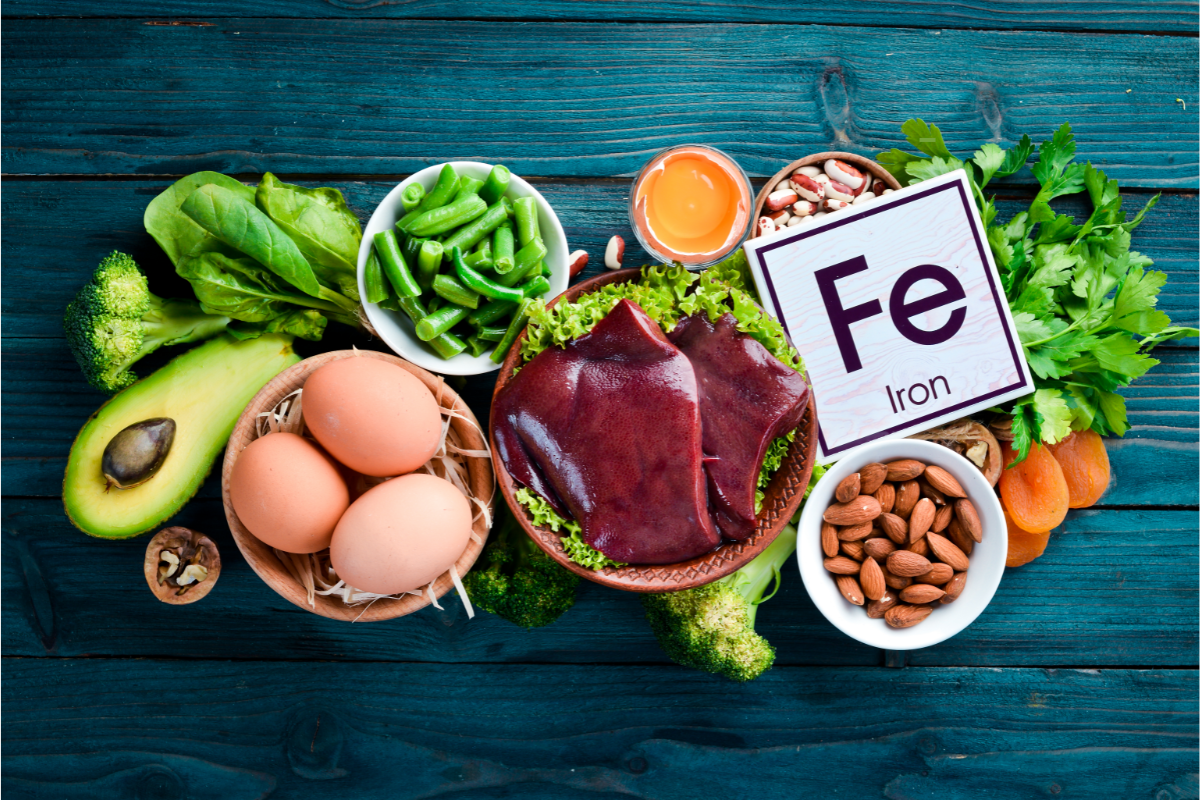
How can anaemia be prevented and treated through diet?

Iron-rich foods: liver, eggs, green vegetables, pulses, dried fruit and oilseeds - essential for preventing iron-deficiency anaemia.

Anemia is characterised by a drop in the number of red blood cells or their haemoglobin content. It reduces the blood’s ability to carry oxygen. This condition can lead to fatigue, shortness of breath and other symptoms that affect quality of life. Fortunately, there are effective treatments and preventive measures. Diet is one of the … Read more

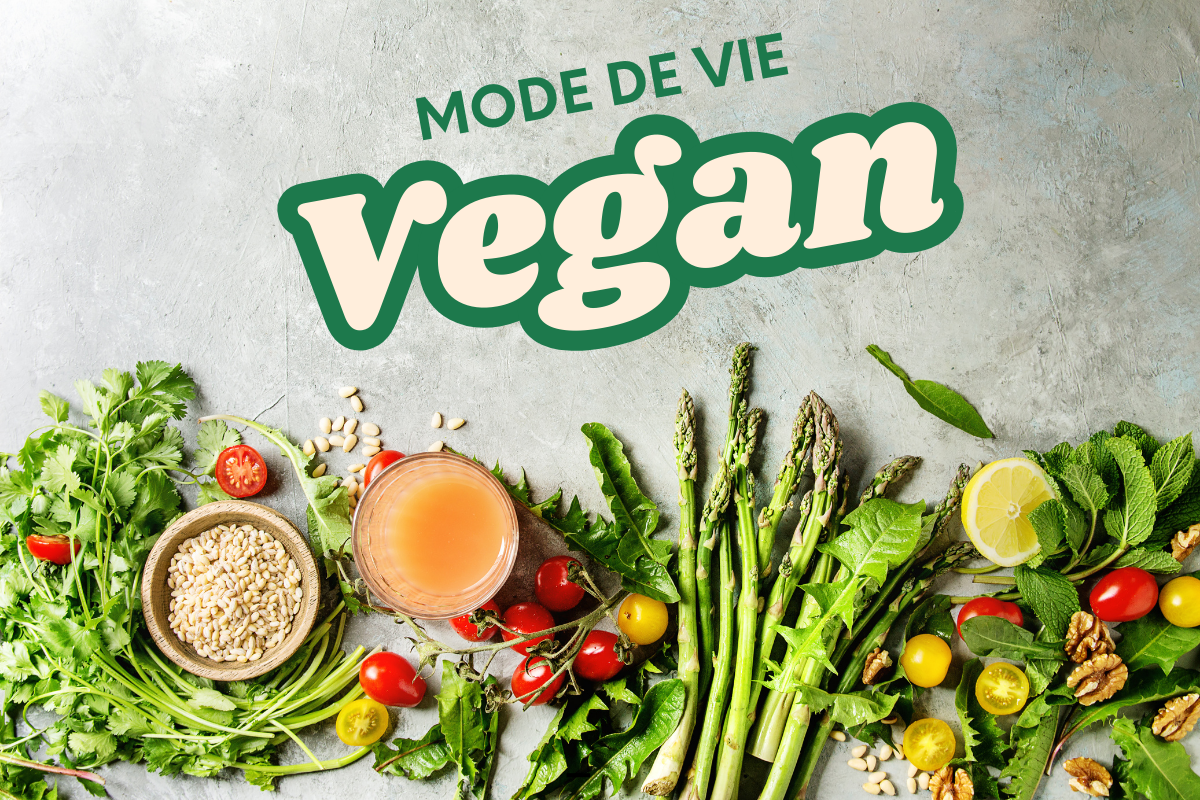
Is Vegan diet good for your health?

Image illustrating the vegan lifestyle with fresh vegetables, seeds and fruit, symbolising a balanced and healthy plant-based diet.

In France, according to a 2020 study, the French are increasingly aware of the consequences of their diet on their health and the environment. Indeed, dietary changes are visible, and some are turning to a vegetarian or vegan diet (2.2% of the population). Others are even opting for the Vegan lifestyle, which is built around … Read more

Nutella, sugar and Alzheimer’s: A chilling truth

Ultra-processed foods such as industrial buns, chocolate bars, spreads, soft drinks and sweetened beverages, pan-fried vegetables and some cooked meats are classified by NOVA as level 4. They contain numerous additives, flavourings, excess sugars or have undergone destructive treatments (extrusion, blow moulding, etc.). One of the prime examples is a famous spread: Nutella. Nutella, appreciated … Read more

Food emulsifiers = Danger to health?

Industrial cake with labels indicating the presence of food additives (E110, E142, E160, E213, E513), surrounded by laboratory elements illustrating the health risks of emulsifiers.

Socio-economic and cultural changes in recent decades have led to a significant increase in the consumption of processed foods, often rich in food additives such as emulsifiers. These compounds, found in products such as butter, milk, mayonnaise and pastries, play a crucial role in mixing immiscible ingredients such as oil and water. However, there is … Read more

Dietary fibre and obesity: the key role of the pharmacist

It is widely recognised by researchers that a high-fibre diet protects against obesity and diabetes. However, the mechanisms involved had remained mysterious for almost two decades. In 2014, a Franco-Swedish team of researchers from CNRS, Inserm and Université Claude Bernard Lyon 1 (Inserm Unit 855 “Nutrition and the Brain”) elucidated this mechanism, which involves the … Read more

What is the InBody scale used for?

The InBody scale is a body composition measurement device that uses bioelectrical impedance analysis (BIA) technology. Designed to provide accurate, detailed data on body composition, it has become an essential tool for health professionals, sports trainers and wellness-conscious individuals. What is an InBody scale? The InBody scale is a medical device that provides detailed measurements … Read more

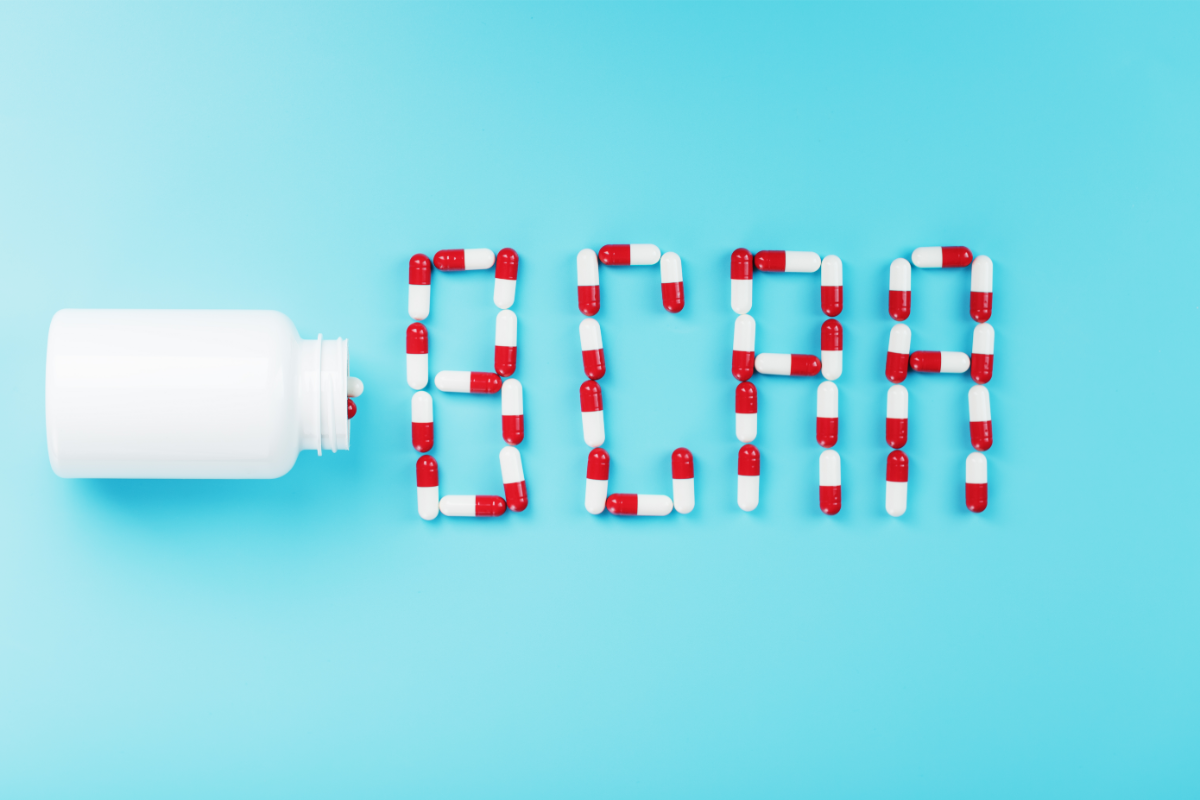
What are BCAAs available in pharmacies used for?

Branched-chain amino acids are better known by the acronym BCAA (Branched-Chain Amino Acids). They represent a group of three essential amino acids: leucine, isoleucine and valine. Available in pharmacies in the form of food supplements, they play a crucial role in the world of fitness and health in general. This article explores their usefulness and … Read more

Epigenetic inheritance: the impact of our parents’ diet on our health.

Health is an inheritance that is sometimes passed on in unexpected ways. In addition to genetics, did you know that your parents’ diet could have an impact on your own health? In this article, we explore this fascinating link between diet, epigenetics and the trans-generational ramifications. If you’re interested in the mysteries of genetics and … Read more

What is the DASH diet?

The DASH diet (Dietary Approaches to Stop Hypertension) is a dietary approach specifically designed to help to lower blood pressure and improve overall health. By focusing on nutrient-rich foods and reducing sodium intake, this diet has gained popularity as an effective way to manage hypertension and improve overall health. In this article, we’ll explore the … Read more

Cell Regenea: Nutrigenomics to slow premature cell ageing

Cellular ageing is a biological phenomenon that is attracting increasing interest because of its implications for health and quality of life. In this context, the Lifegen Cell Regenea Antioxidant dietary supplement from the Biocyte laboratory presents itself as an innovative solution based on nutrigenomics. This article examines the active ingredients of this product, the mechanisms … Read more

Sugar is a drug: true or false?

The ubiquity of sugar in our modern diet raises concerns about its effects on our health particularly on the functioning of our brain. Scientific research has revealed striking similarities between the effects of sugar on the brain and the neurological mechanisms associated with addictive substances. In this article, we’ll dive into the scientific findings that … Read more

What diet can help relieve irritable bowel syndrome?

Irritable bowel syndrome (IBS) is a common condition affecting many people around the world. Although it can be difficult to manage, understanding the importance of diet and knowing what foods to eat or avoid can make a big difference to the quality of life of sufferers. Understanding IBS Research into the link between diet and … Read more

Should we really eat fish?

Eating fish is not inherently bad for your health, but over the years more and more studies have shown that due to overfishing and the large amount of plastic in our seas, fish contains more and more unhealthy toxic substances . Toxins present in fish Some species of fish may have high concentrations of mercury and other toxic substances . Regular consumption of these fish can lead to … Read more

Deciphering the OMAD diet: Everything you always wanted to know

You may have heard of the OMAD diet, an acronym for “One Meal A Day”. This diet has gained in popularity because of its tempting promises of weight loss and health benefits. But what do we really know about this diet, and is it as effective as it is claimed to be? Let’s delve into … Read more

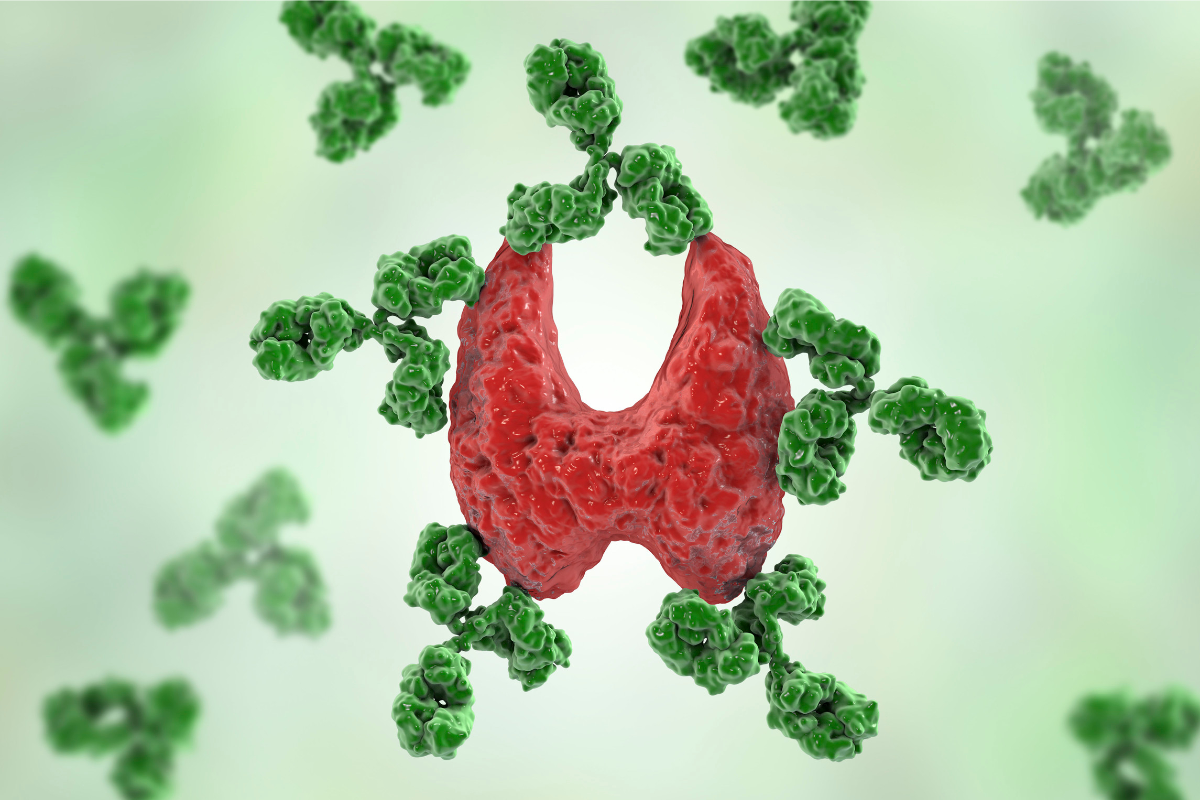
Hashimoto’s thyroiditis and the A.I.P Paleo diet: An innovative look at thyroid health

Hashimoto’s thyroiditis is a common autoimmune disease. Today we look at a dietary approach that has attracted a lot of interest – the Paleo A.I.P or Autoimmune Protocol diet. Could it be the missing piece in the management of Hashimoto’s thyroiditis? What is Hashimoto’s Thyroiditis? Hashimoto’s thyroiditis is an autoimmune disease in which the body’s … Read more

The benefits of water kefir

In the quest for health and well-being, exploring various natural foods and drinks often offers extraordinary solutions. Water kefir, an age-old fermented beverage, is a perfect example. In this article, we’ll demystify what water kefir is, how to prepare it, and above all, discuss the many ways it can contribute to your health. Discover how … Read more

Protein and ageing: Should we eat more protein as we age?

Old age, often seen as the twilight of life, brings with it unique nutritional challenges. One topic that is often debated is:“Should we eat more protein as we get older?“. At first sight, this may seem counter-intuitive. After all, we tend to associate protein intake with physical growth and sporting activity, don’t we? However, recent … Read more

The benefits of the Keto diet

In the world of nutrition and well-being, the Keto diet has caused quite a stir. Why is it so popular? What makes this diet so special? And what are the benefits of the Keto diet? This article sets out to enlighten you. What are the benefits of the Keto diet? One of the main reasons … Read more

The role of food in the risk of drug interactions

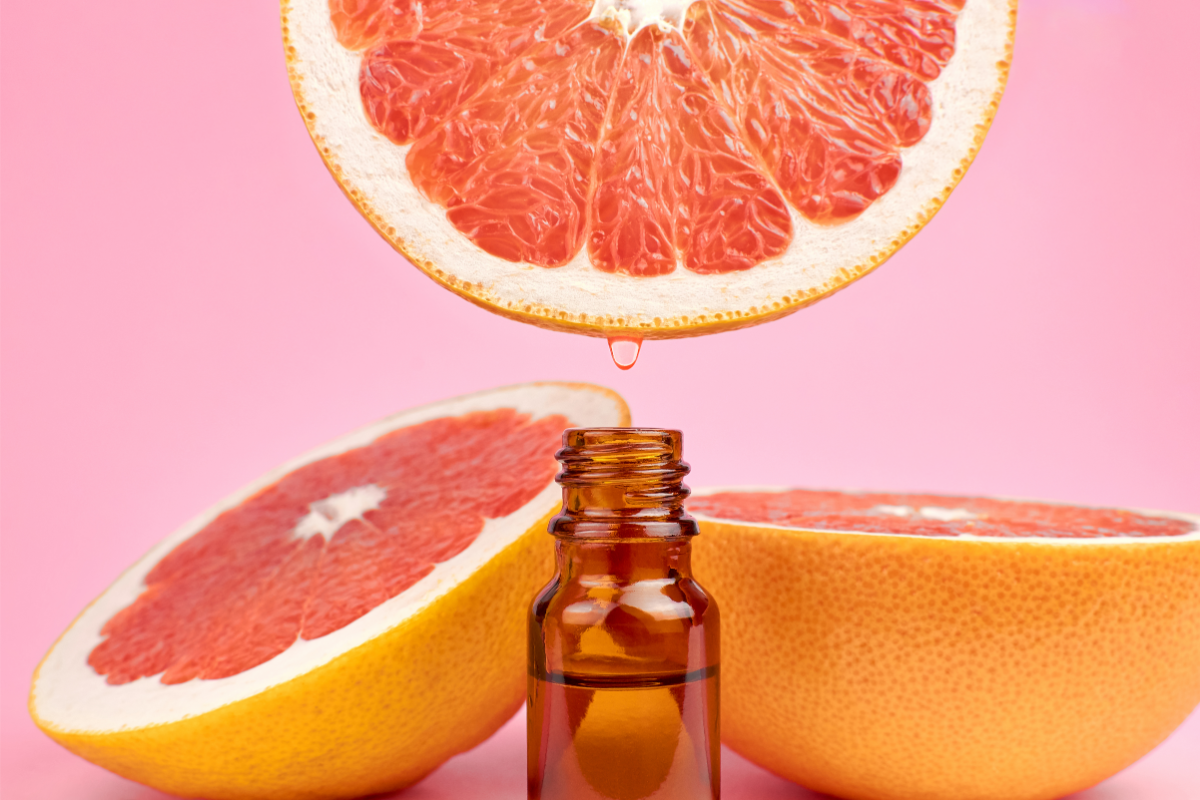
A drug interaction occurs when one or more effects of a drug are modified by another product. This interaction can occur with a food (grapefruit juice, liquorice), a drink (coffee or alcohol), a dietary supplement (the case of St John’s wort and turmeric) or smoking. In this article, we explore the different types of effects … Read more